
The quintessential countryside of the Netherlands can never get more Amsterdam-ish than this. Rich, awe-inspiring and never short of extremely prodigious sight, the journey to the neighborhood of Zaanse Schans is all but full of high jinks.
THE EVOLUTION
Back in the 17th century during The Dutch Golden Age, Zaandam city served as a hub of Sawmills, where logs are cut into lumber using circular saw blades, to be used for building ships and in paper industries. During the distinct and golden period, circa 10,000 windmills operated over the country (which has been reduced to circa 1,000 as of today). The other important function (probably) of the mills other than extracting oil and cutting logs was to pump water from lowlands back into the rivers so that the land could be used for agricultural purpose and farmsteads.
Some of the originally built mills from 17th Century were preserved, refurbished and shifted to Zaandam during the Industrial Revolution in mid-19th Century. The permanent establishment of the city on river Zaan made the logistics and transportation of logs so easy that they were floated down to the mills directly by log drivers, where they are further cut into lumber.
Later in 1961, the plan is drawn to create Zaan as a typical residential area, which includes Zaandam and neighborhood city of Zaanse Schans. The following years have witnessed the construction of wooden houses, narrow ditches, antique shops, clinker-brick pavements, cheese factory, and museums.
PRESENT DAY
The train line National Railway(NS) links Zaandijk Zaanse Schans Railway Station (going towards Koog-Zandijk) from Amsterdam Centraal Station for an 18-minute not-so-long journey with the picturesque countryside. The conveyance via bus is provided by Connexxion Bus (Line 391).
The Windmills
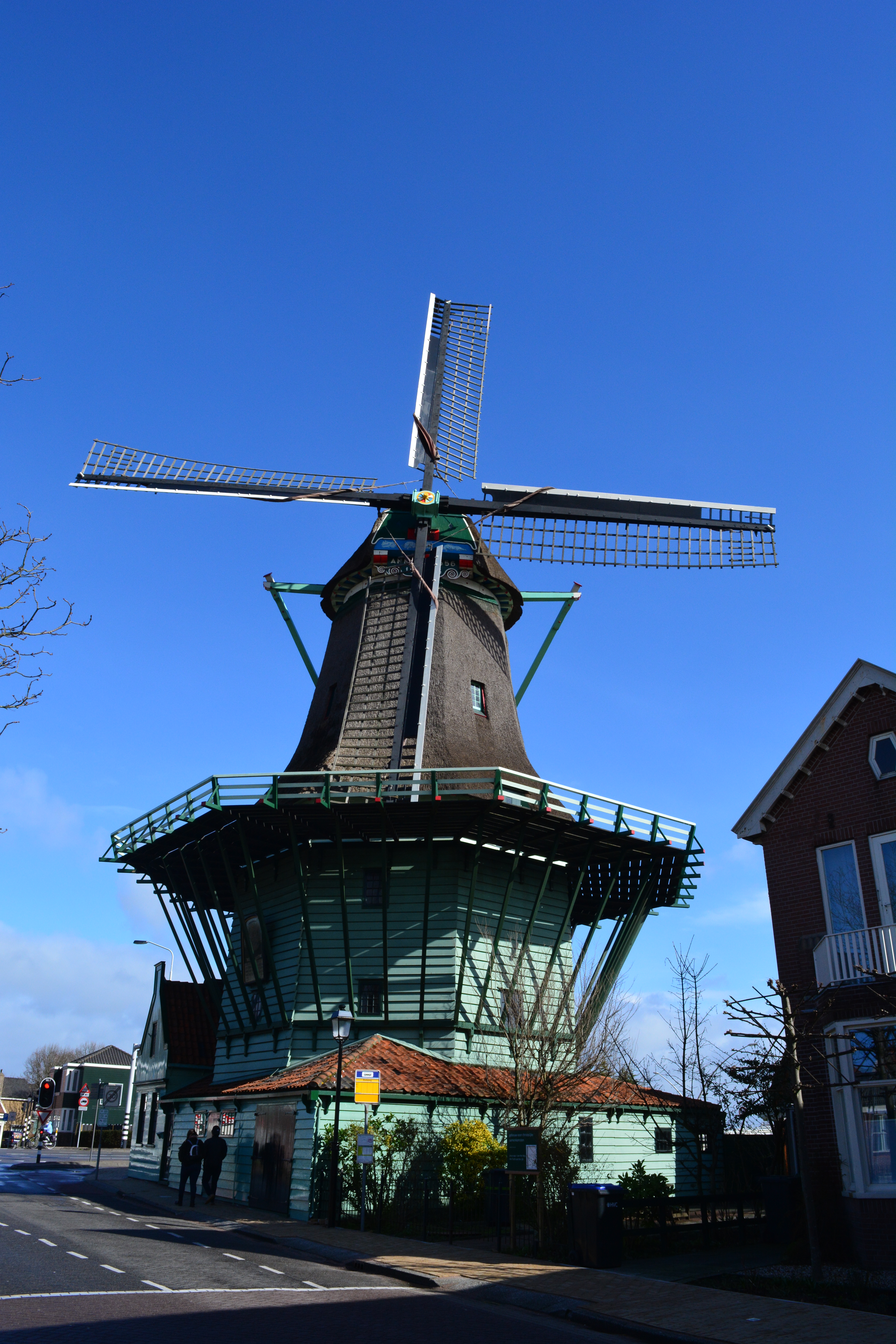
From a distance, you can already see the sails of windmills steadily rotating in a horizontal plane, around a vertical axis. Little did I know about the fancy names of windmills, until I went inside each of them.
De Blooke Dood, the first mill to the fore once you meandered in the city has had thorough restoration years back. It primarily keeps the local bakers happy by grounding the flour for their “Custom bakes.”
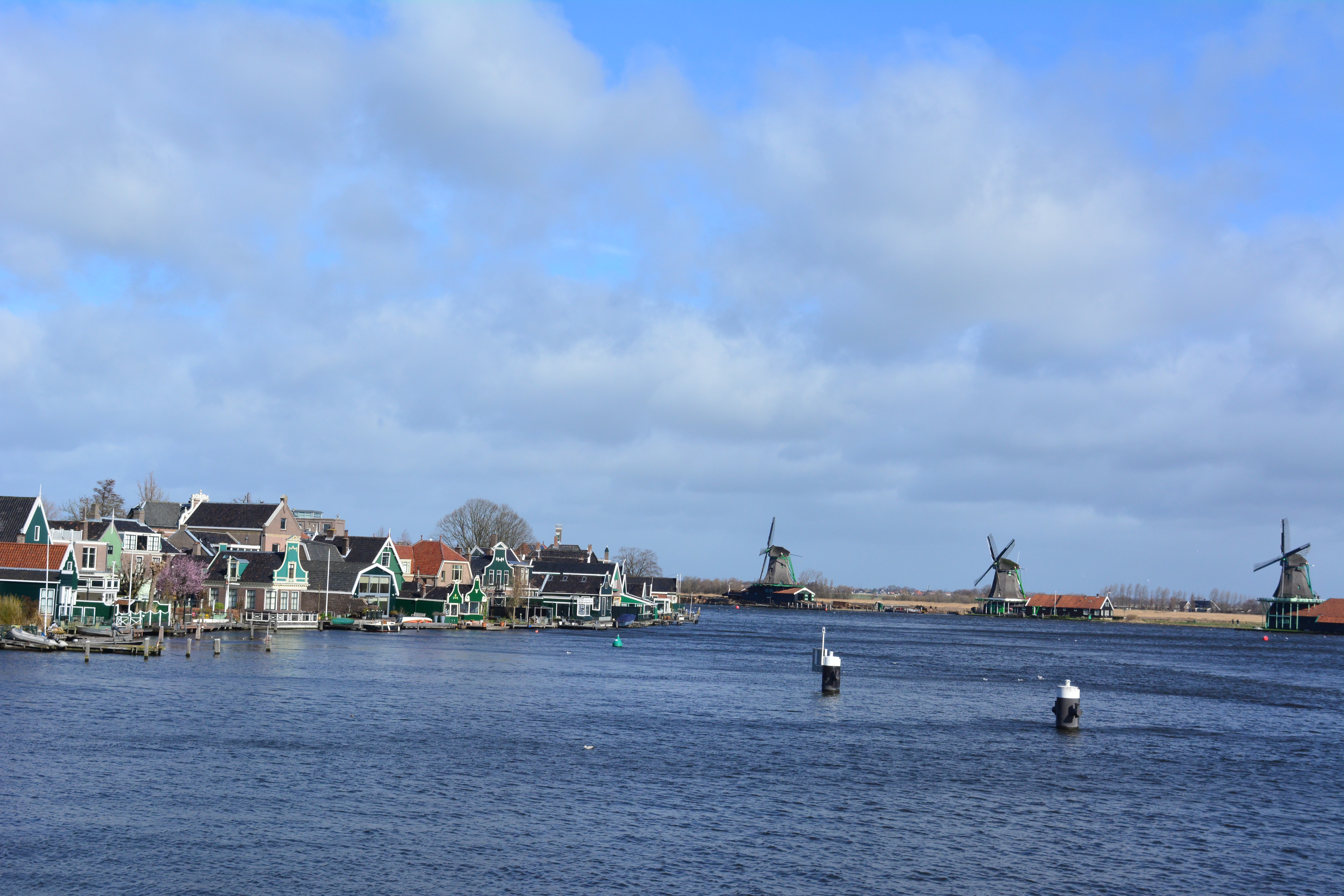
My next stop is over the bridge, the end of which seems to me is the Hot tourist spot. The wind blows hard and cold at “24 km/hr” as discovered on AccuWeather app. The front bridge scene not only captures the vista of fisherman’s viridescent–hazel wooden house, windmills and indigo waterfront but a feeling on the far bank which is reminiscent.
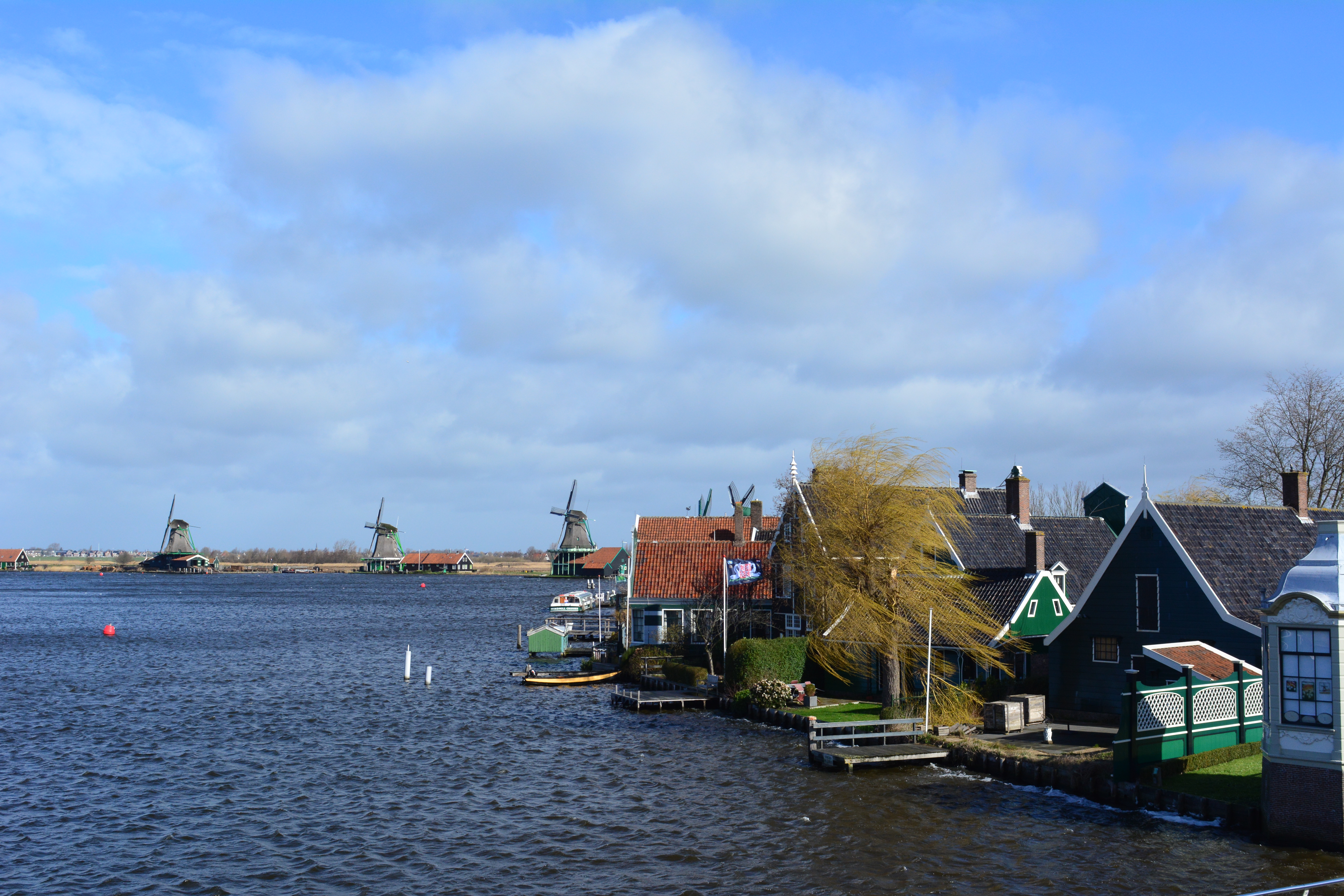
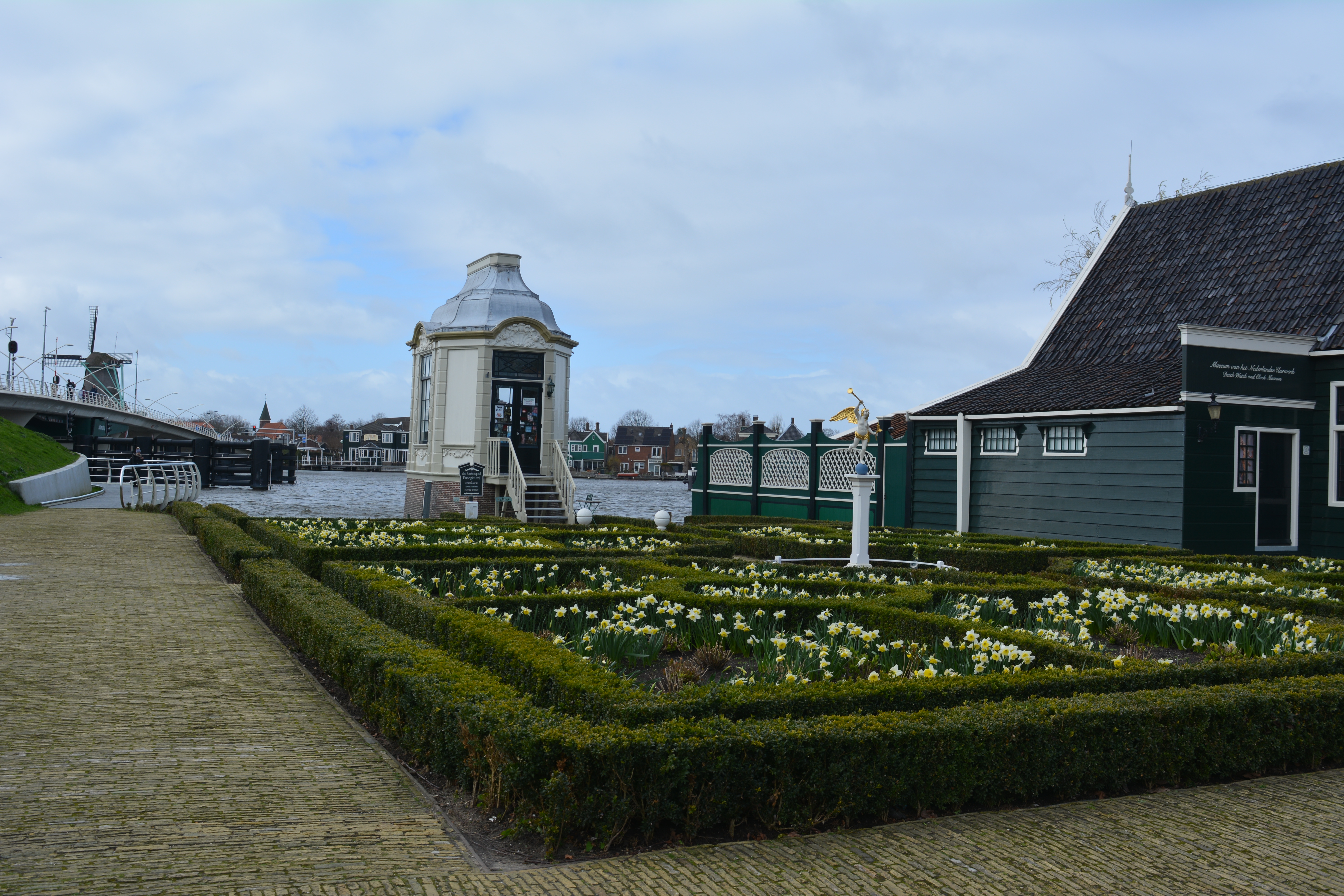
Crossing the bridge, I entered the marvelous and well- preserved town of Zaanse Schans. A town for all seasons, renowned for the traditional Dutch crafts, antiques, windmills, cheese farms, iconic clogs workshop and more, where the houses are known to be shifted from other parts of Netherlands in order to preserve the Dutch architectural heritage.
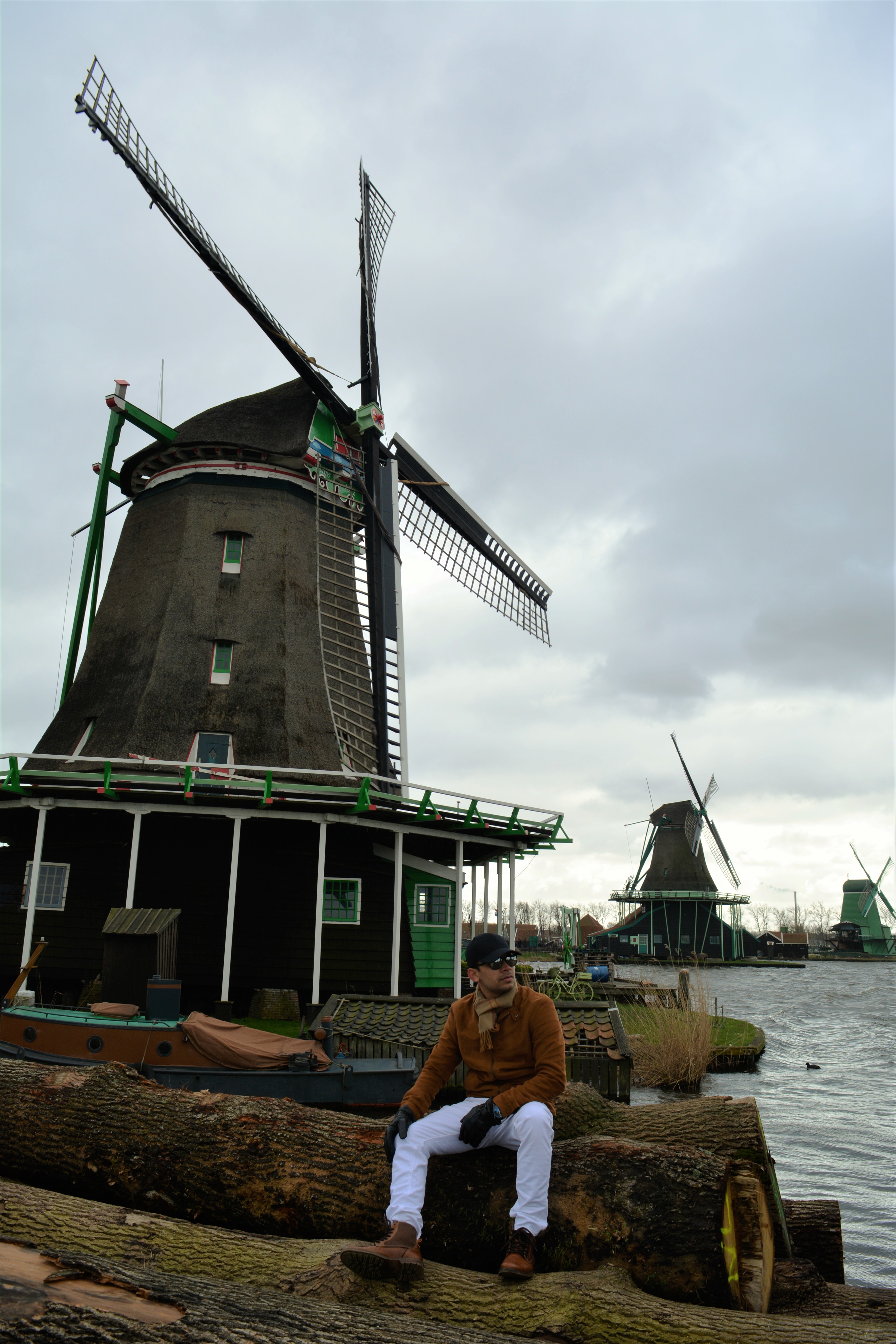
A total of 13 windmills are left in the area, out of which only 5 are actively operating – two sawmills, an oil mill, a mustard mill, and the world’s last working dye mill. During the trip, make sure to visit at least one or two of them as listed below: –
- De Huisman (mustard mill, 1786)*
- De Gekroonde Poelenburg (sawmill, 1733)*
- De Kat (dye mill, 1646)*
- Het Jonge Schaap (sawmill, 1680)*
- De Os (oil mill, 1663)
- De Zoeker (oil mill, 1672)*
- Het Klaverblad (sawmill, 2000-2005)
- De Bonte Hen (oil mill, 1693)
*active windmills
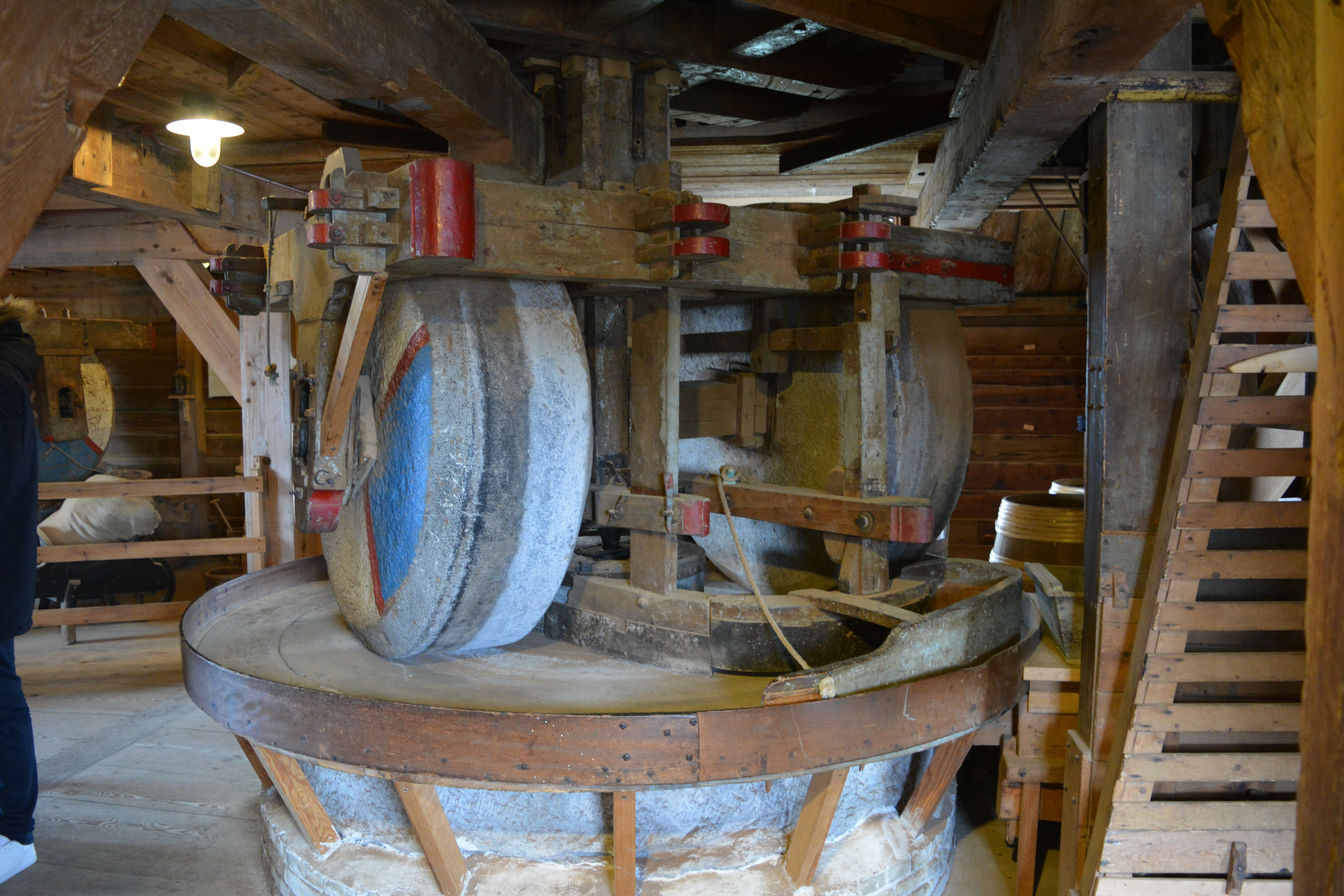
Each mill costs €5 separately to visit, however Zaanse Schans Card (€10) gives access to Zaans Museum & Verkade Pavilion, Coopery and one of the mill (oil, saw or dye). You can also climb up to the deck of the mill via the narrow stairs to have a glimpse of the surrounding area.
The Dutch Clog
After exploring the windmills, you must check out the traditional crafts of Zaanse Schans – The Dutch clog (Klompen). The family workshop of Klompenmakerij takes you to the wonderful world of wooden shoes with their unique collection of clogs and demonstrating the art of clog making with antique machine throughout the day.
The Dutch have been wearing wooden shoes/clogs/klompen since medieval times. Clogs are made from willow or poplar and worn generally by farmers, fishermen and gardeners to protect their feet from muddy fields and fishing hooks. The all-wooden Dutch clogs are officially accredited as safety shoes with the CE (European Conformity) mark, as they are meticulously designed to withstand sharp or pointed objects and impermeable to concentrated acids and oils.
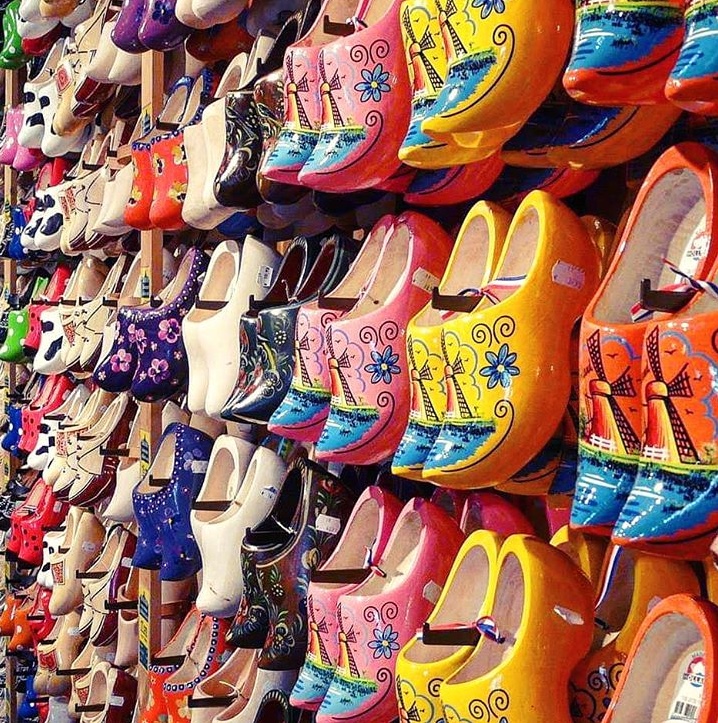
More than 3 million pairs of clogs are manufactured and sold throughout the country each year. Due to the popularity, it is designated as commemorative merchandise, destined to be purchased by the tourists (including me). Different sizes and colors are available ranging from €25 – €150.
Cheese Tasting
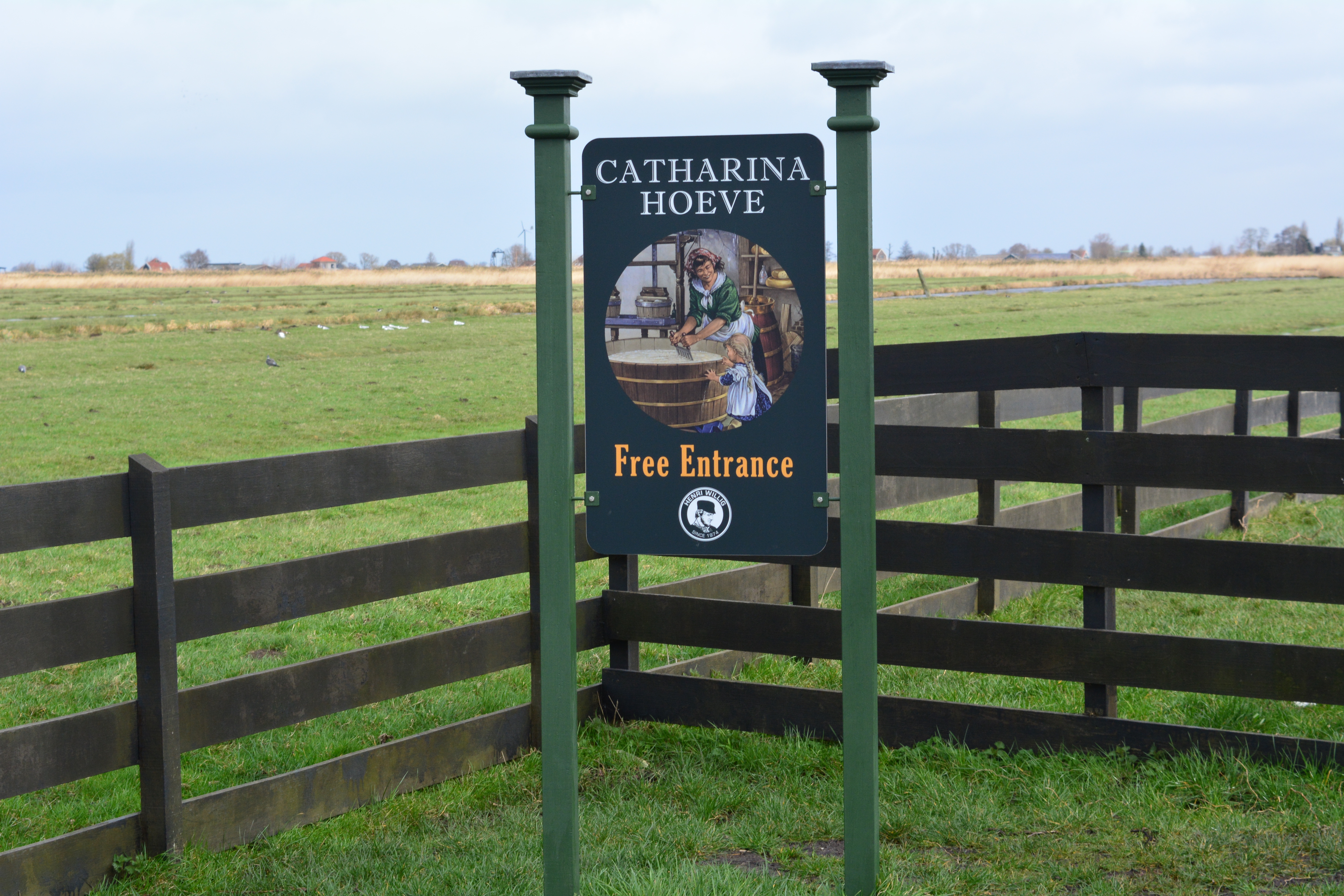
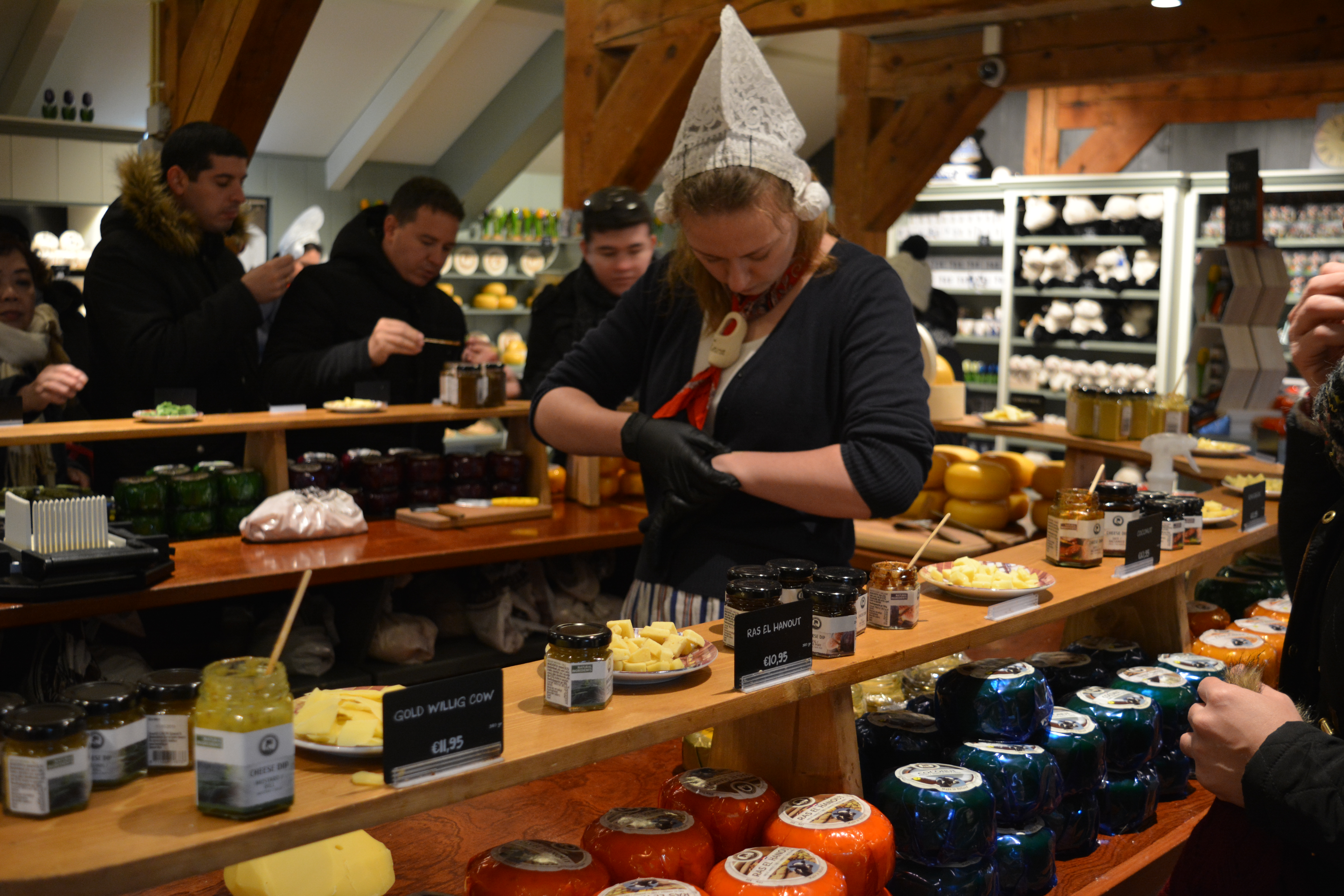
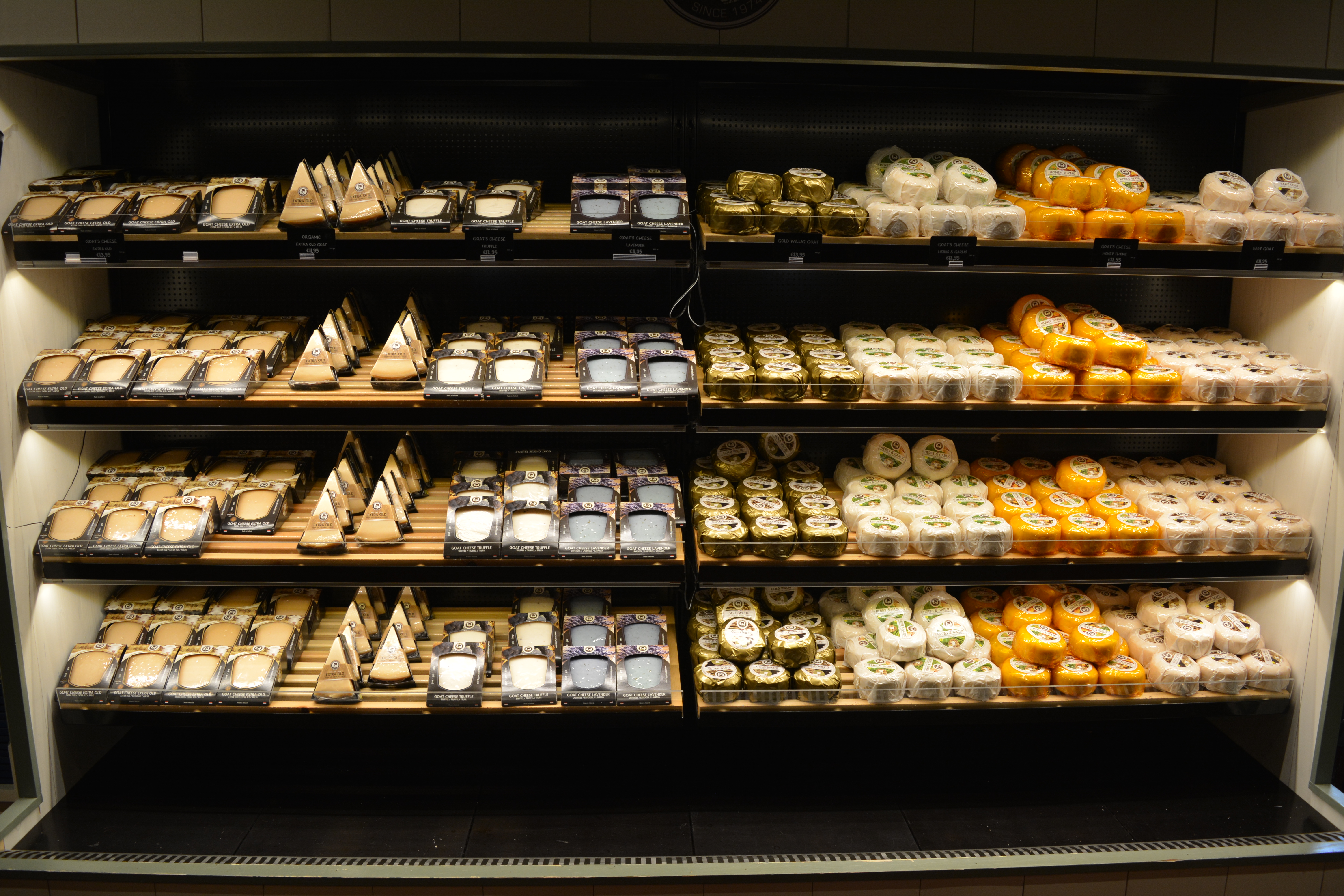
Located on river Zaan, the cheese farm of De Catherina Hoeve is a paradise for all cheese lovers. The staff – in the traditional Dutch costumes conducts free demonstration from Gouda to goat and herb cheese throughout the day and offers different varieties of cheese for tasting. The most flavorsome of these plain cheeses are made from cow, goat and sheep milk. After attending the demonstration, I came across their rich collection of chocolates, waffles, honey and other typical Dutch treats.
I highly recommend visiting Zaanse Schans during your trip to Amsterdam for some eye-catching views in the charming neighborhood away from the over-crowded city. You will be flabbergasted by the scenes I bet.
If you are planning to visit The Netherlands during May, you are lucky as the second Saturday and Sunday in May is the National Mill Day. In order to celebrate the National Mill day, circa 950 windmills and watermills around the country allow free access to the visitors. So, happy holidays !!
Loved this post?
 Bon Voyage
Very useful 👍🏻
Looking forward for more blogs from you
LikeLiked by 1 person
Well articulated Mr. Farzan
LikeLiked by 1 person
Great work 👍
LikeLiked by 1 person
Very well written bro ….looking forward for more blogs…..All the best 🙂
LikeLiked by 1 person
Well done mr farzan…really appreciate…✌
LikeLiked by 1 person
Good one.
LikeLiked by 1 person
Very good job , all the best and god bless you …..🙌🏻
LikeLiked by 1 person