
Last year while traveling to Scandinavia I heard about this tiny archipelago in the Arctic Circle, which is everything but the Ice Paradise. A winter wonderland. An untouched Arctic Nature.
The Arctic Circle has this magical attraction on me, that this time I decided to travel far north to this archipelago. However, you just cannot keep on going north; you have to stop at a settlement.
That’s where Svalbard is – 78°N.
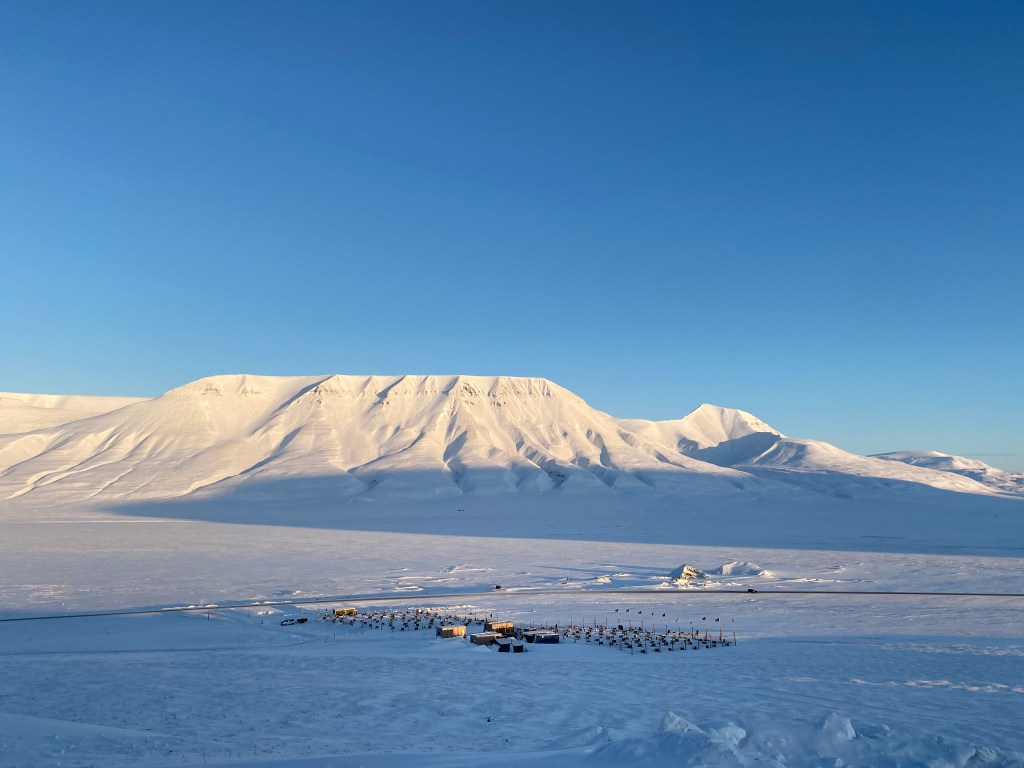
Located midway between Norway and the North Pole, the archipelago is mostly covered with glaciers, ice-cap Mountains and scenic fjords.
A glimpse of history
Back in the 17 – 18th century, the islands were used as a whaling base. By the 20th century, coal mining started in the region which leads to the settlement of many new communities. The islands are under Norwegian sovereignty as per The Svalbard Treaty (also called Spitsbergen Treaty), but is still an autonomous territory with the relaxed tax system and environmental conservation policies.
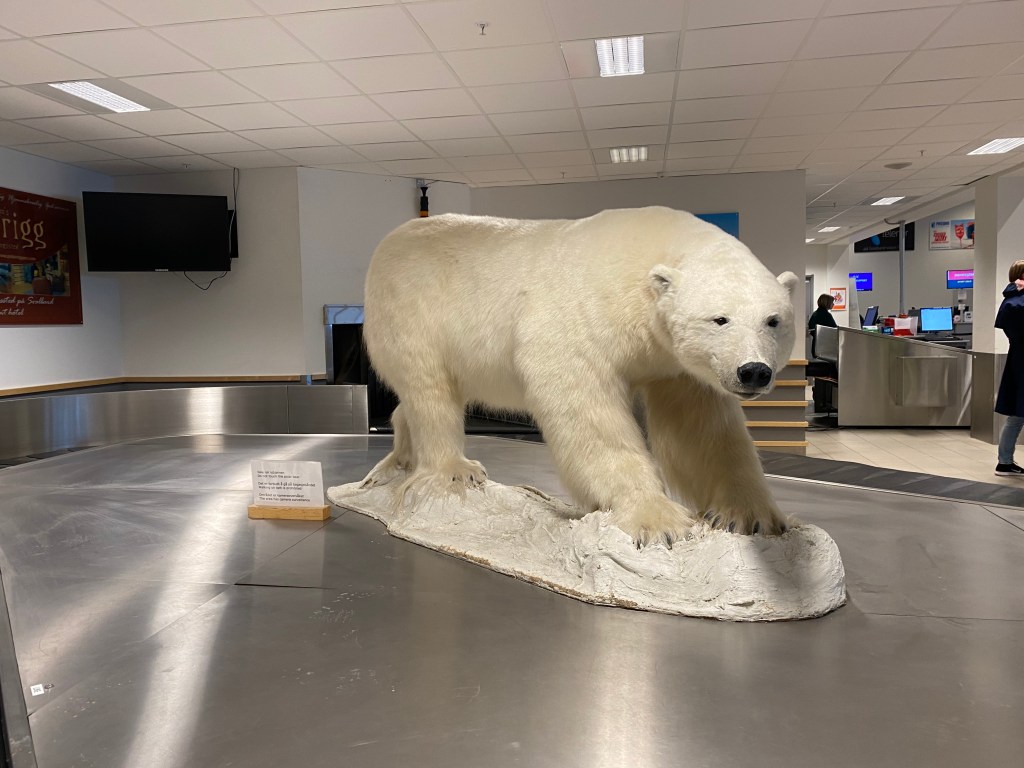
I can vouch that Svalbard is the best place on the planet to see polar bears— wild, majestic, in their native habitat.
The fact is here Polar bears outnumber the people.
Back to the Archipelago
One of the (easiest) ways to reach these islands is via SAS Airlines from Oslo to Longyearbyen (northernmost town). If you wish to travel in and around Svalbard, you require immigration clearance and stamping. For Non-EU citizens, it is mandatory to apply for a multiple-entry Schengen visa. Multiple-entry visa provides the freedom to re-enter EU territory without any restrictions. However, this time I have limited my trip to Norway and Svalbard.
I arrived in Longyearbyen at the beginning of March. The reason for selecting these dates is to avoid the long polar nights and to have extended daylight for the outdoor expeditions.
Svalbard is like a frozen kingdom. Remote and rugged. All of the ground is permafrost. Tall snow-cap mountains far and wide. It is often referred to as “cold coast” due to the freezing winter.
The morning temperature during winter varies from -27°C and dropping well below -40°C during nights.
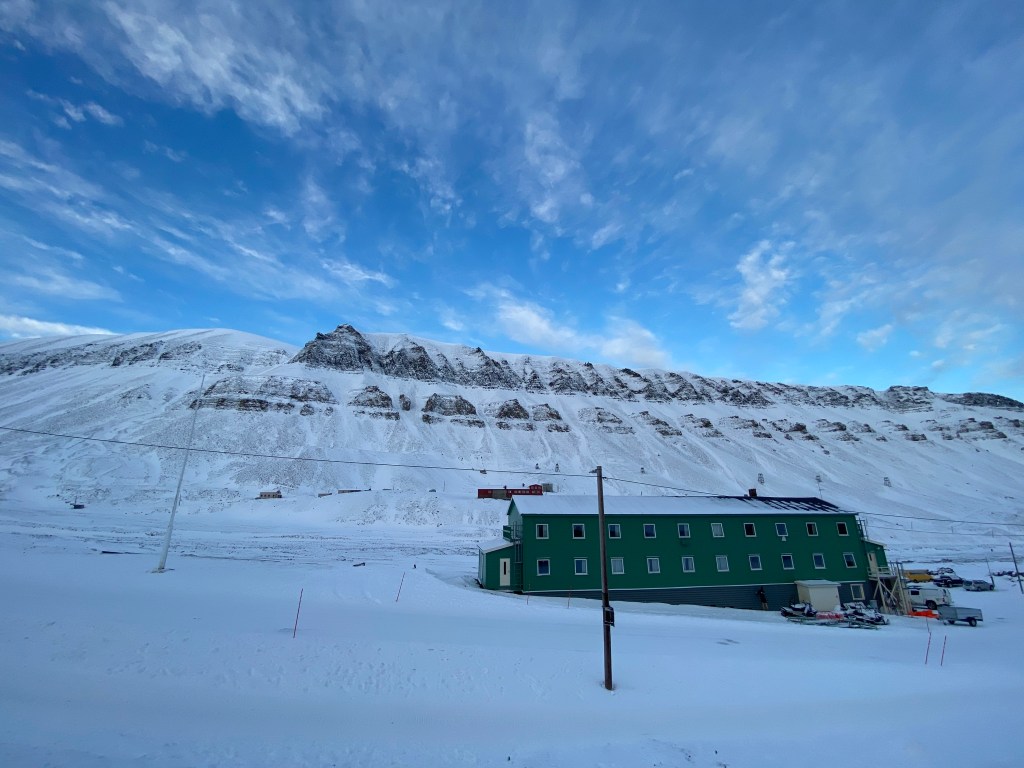
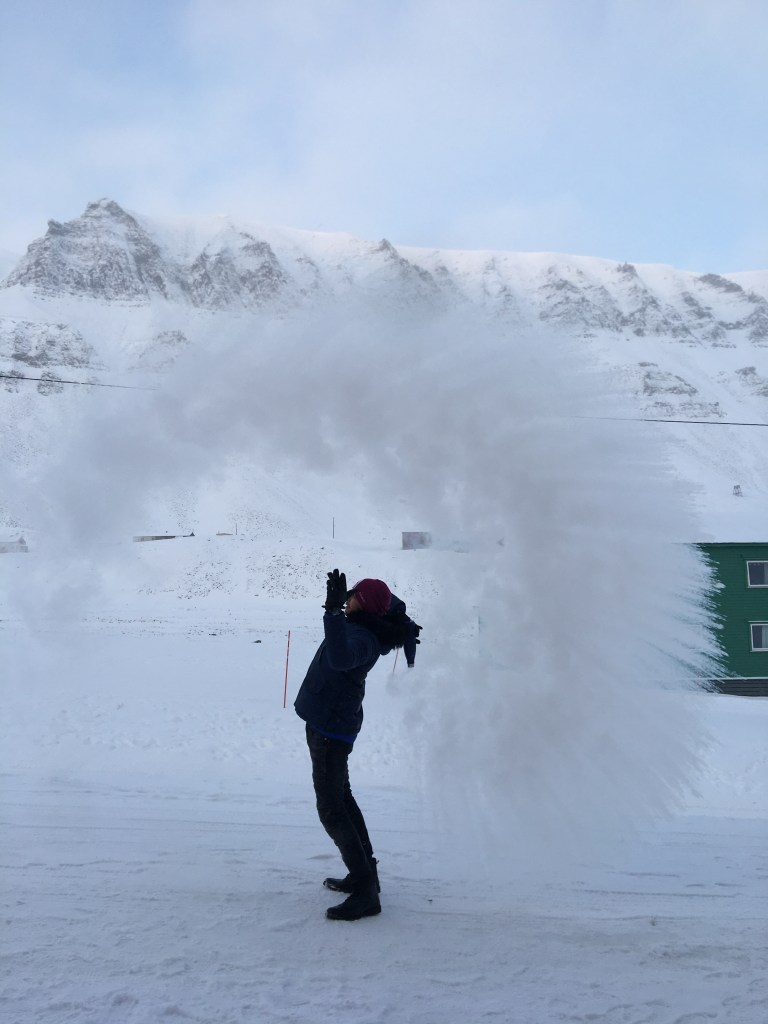
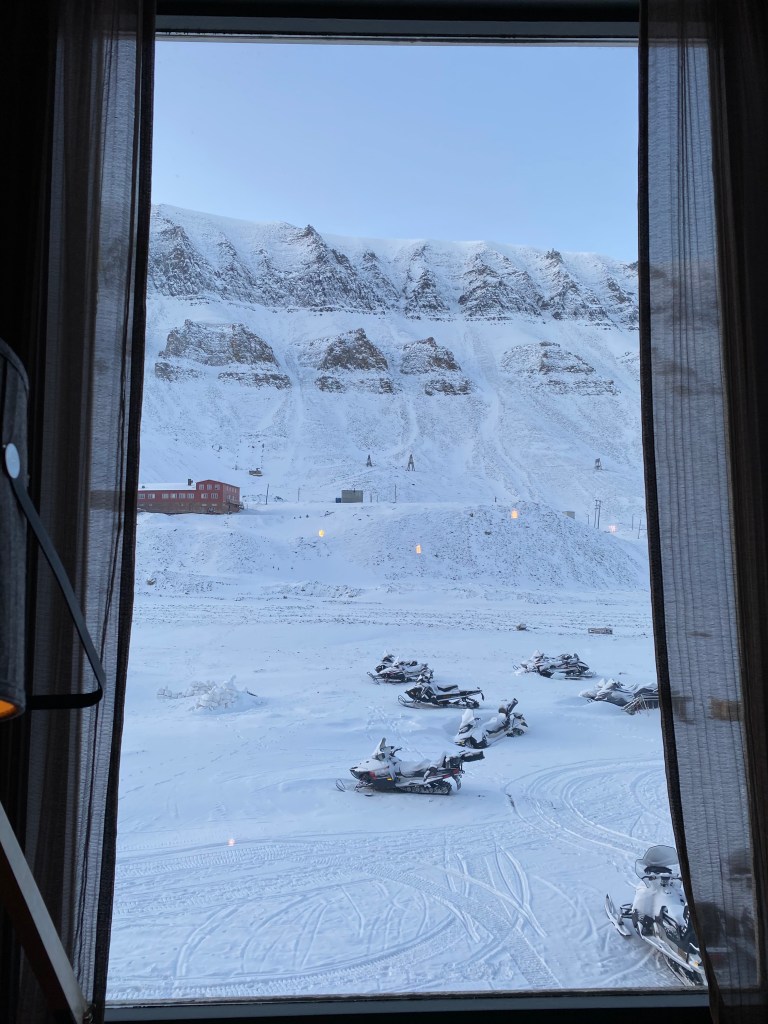
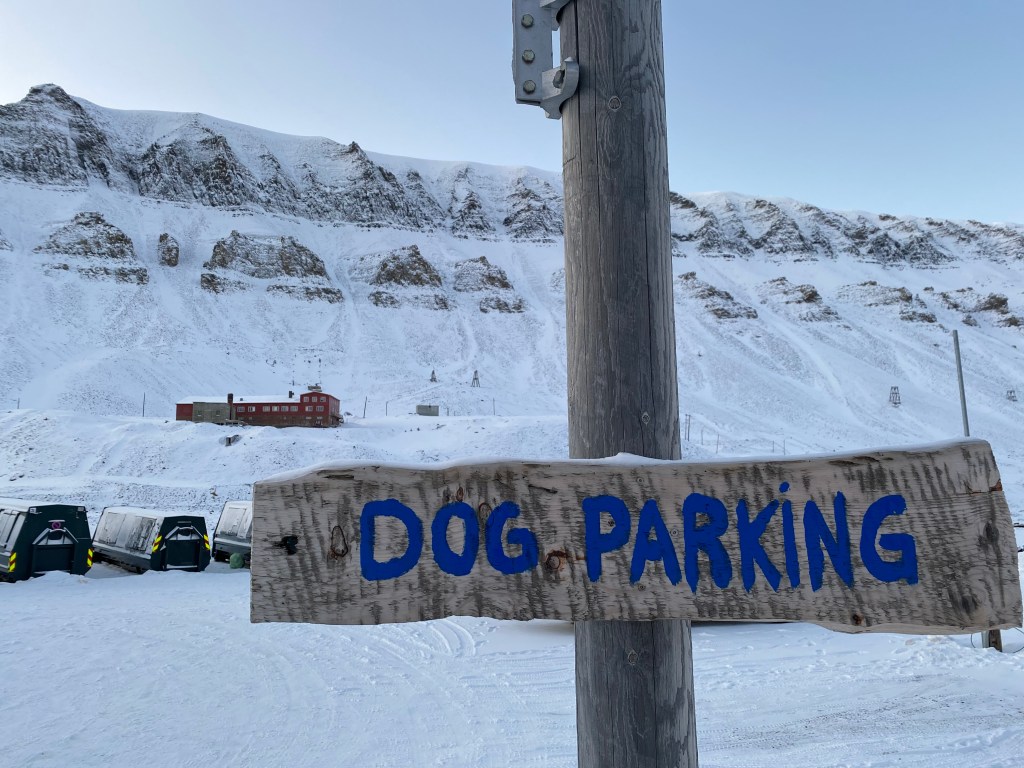
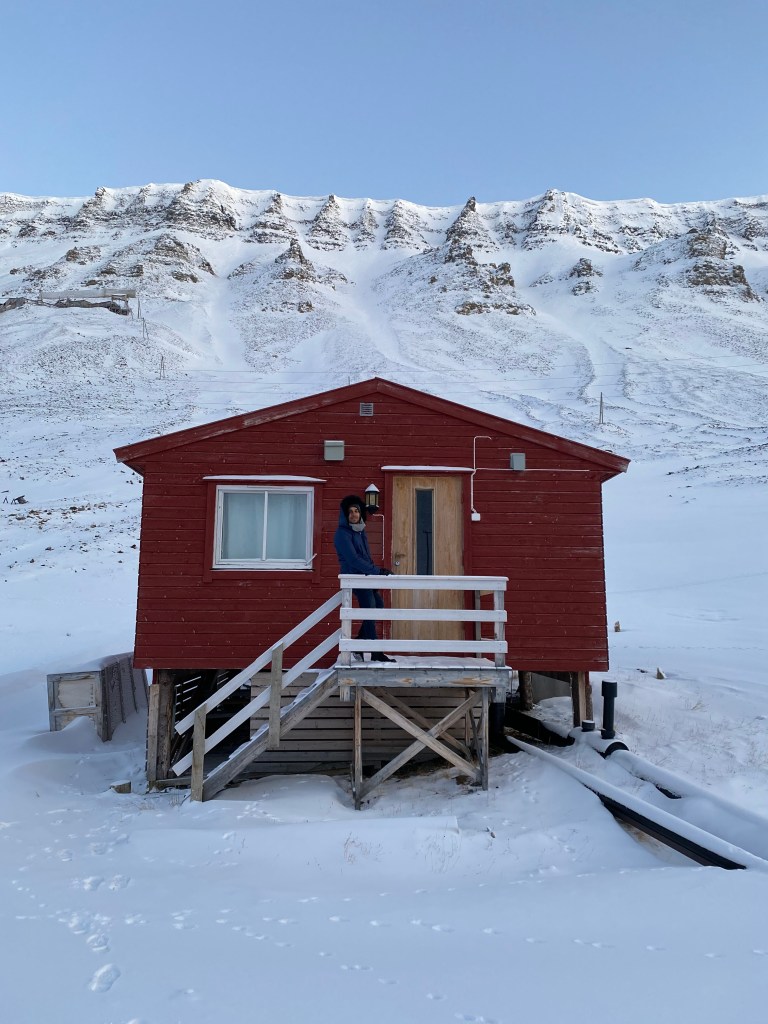
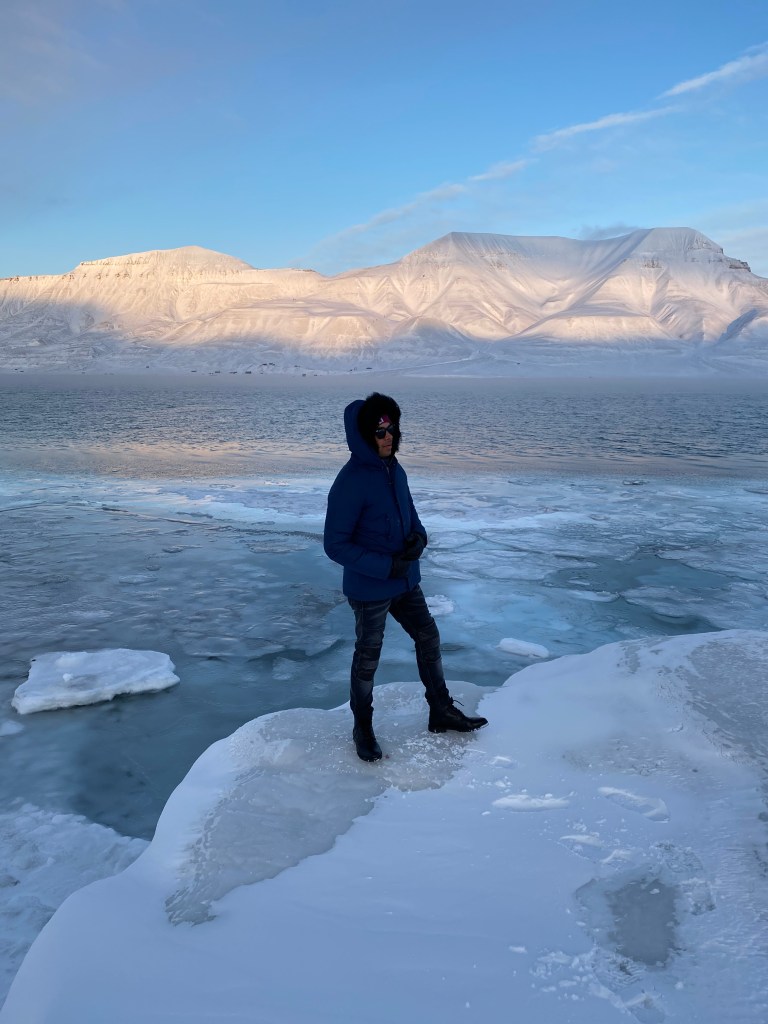
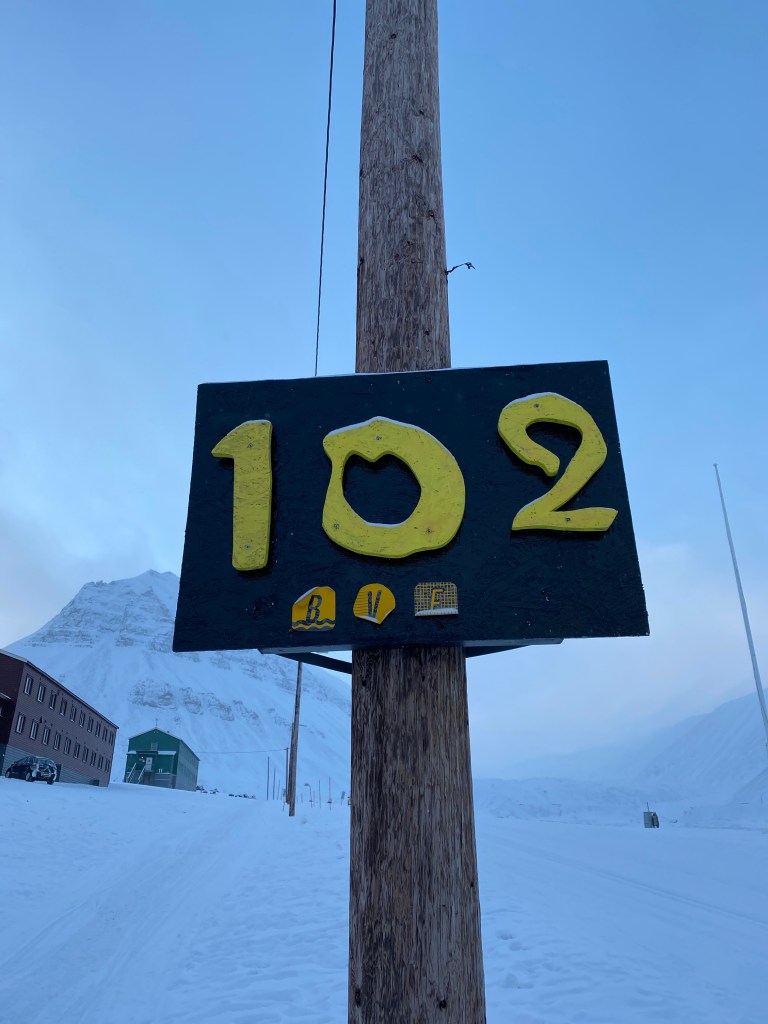
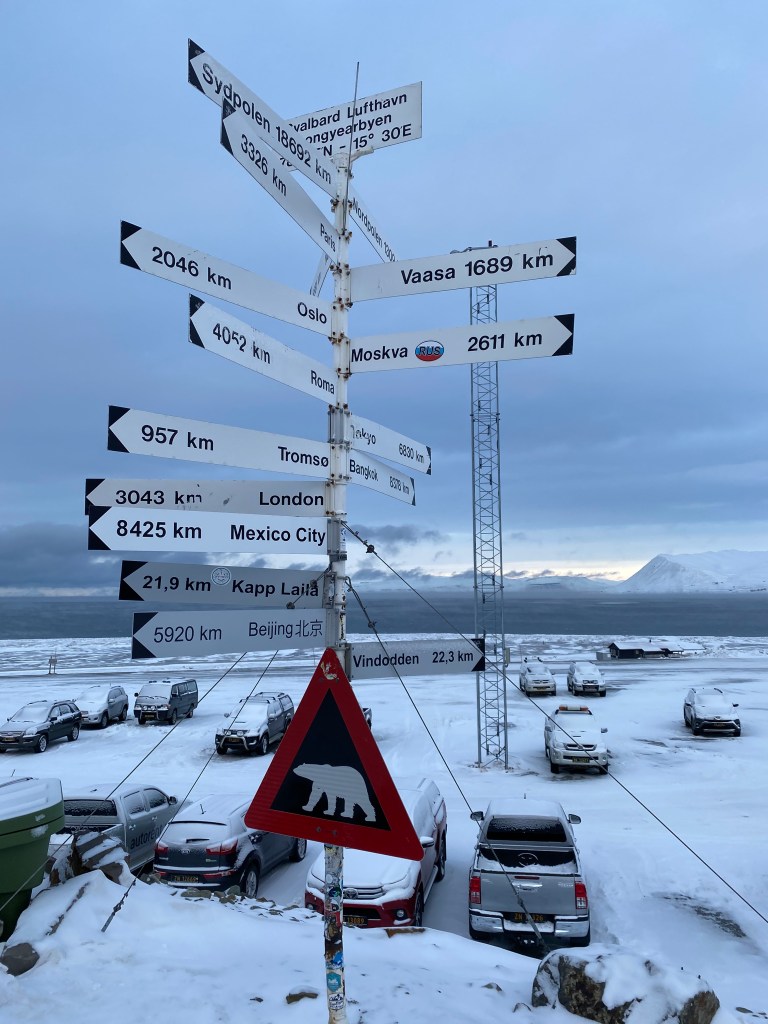
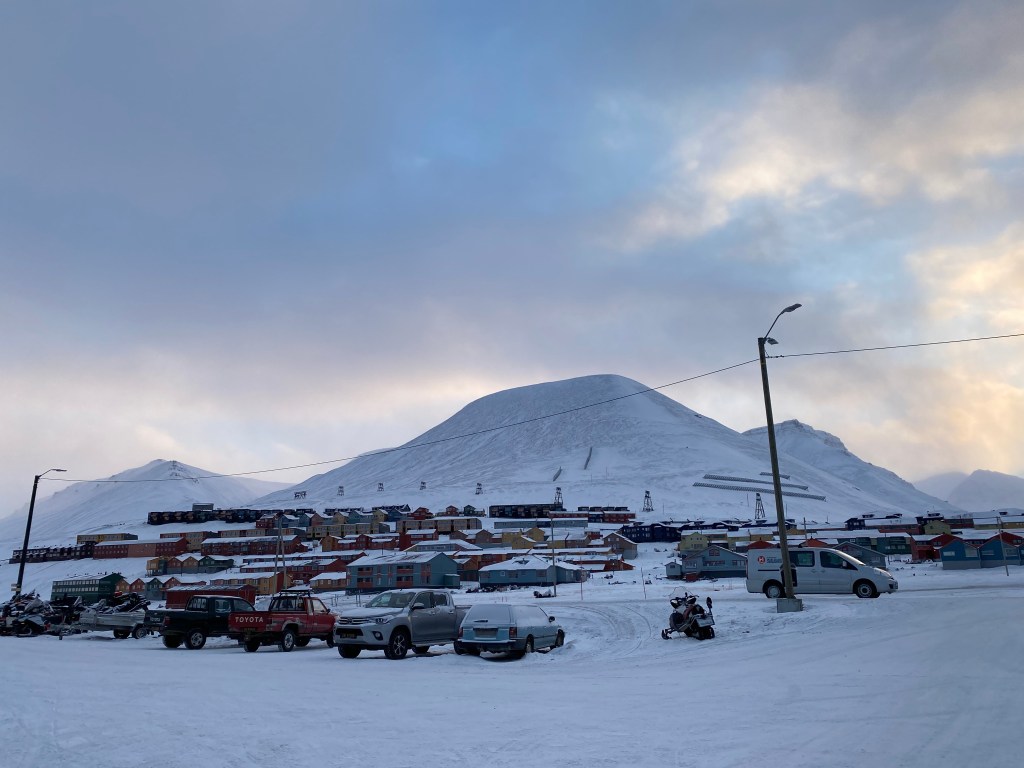
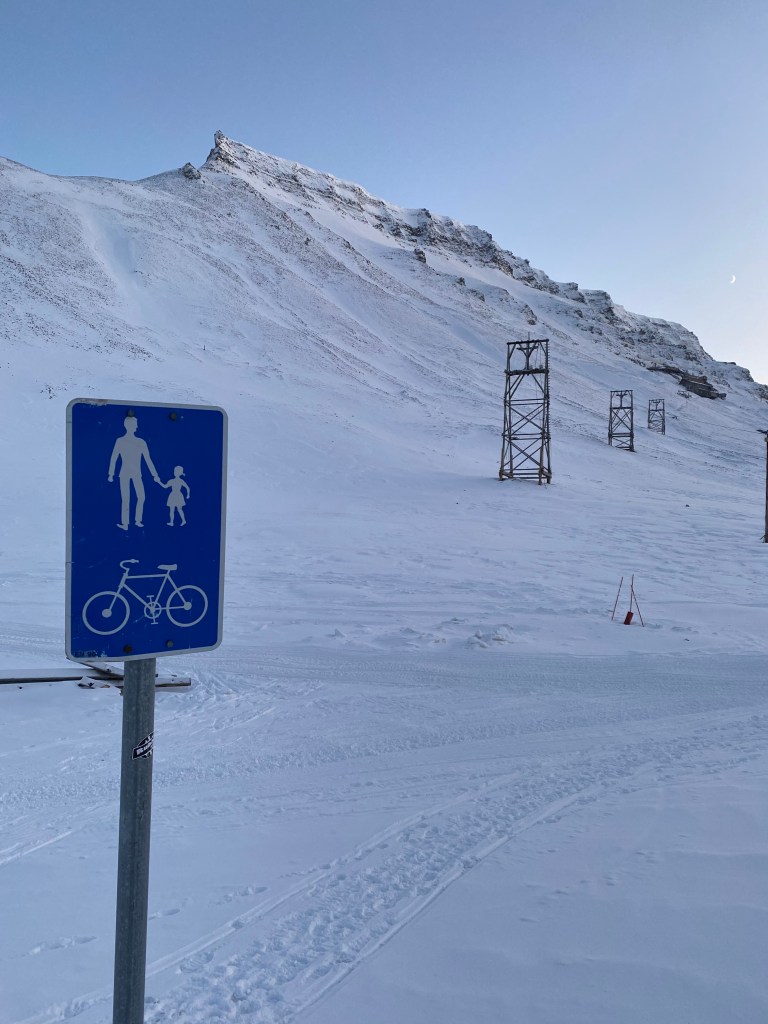
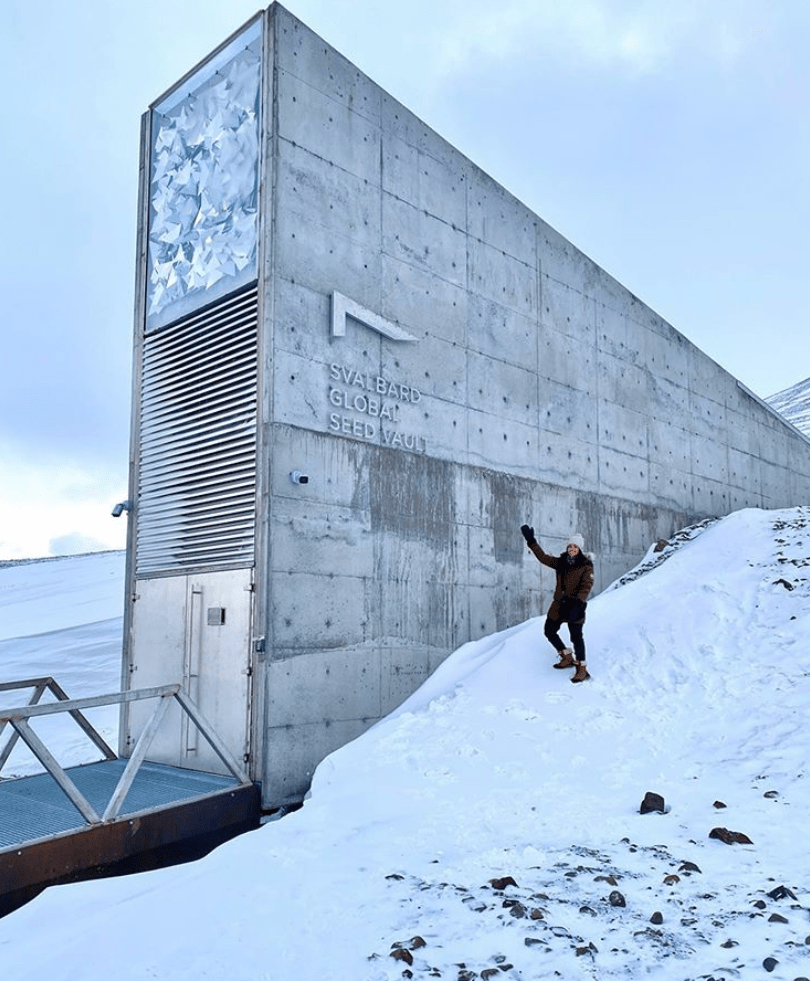
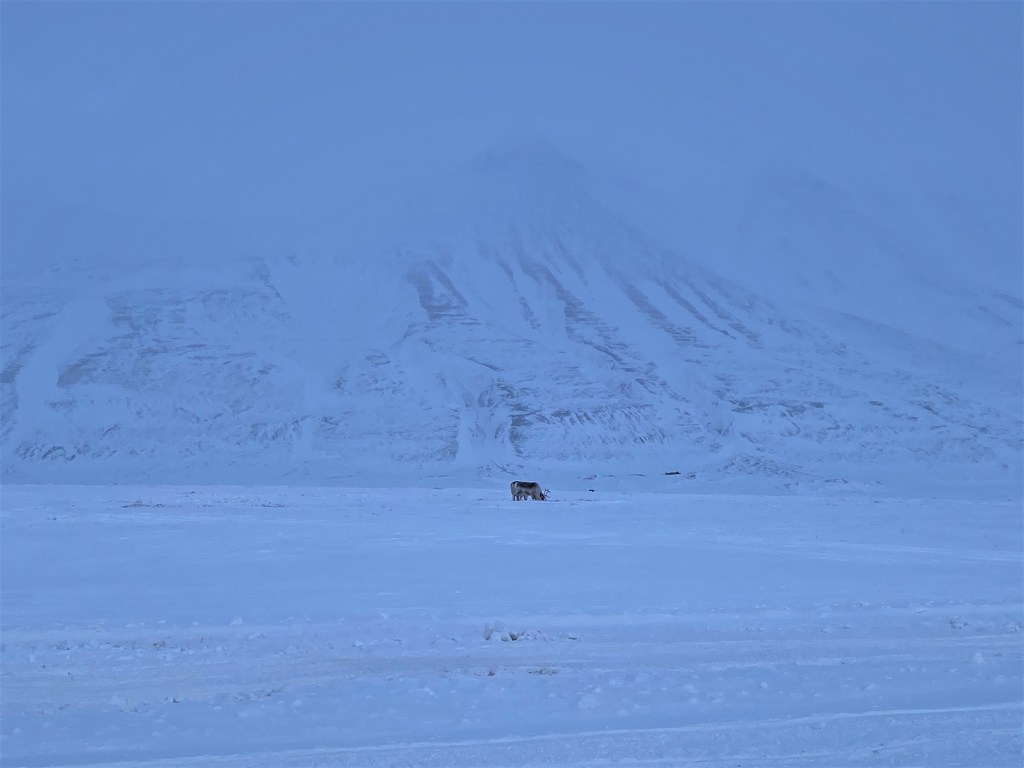
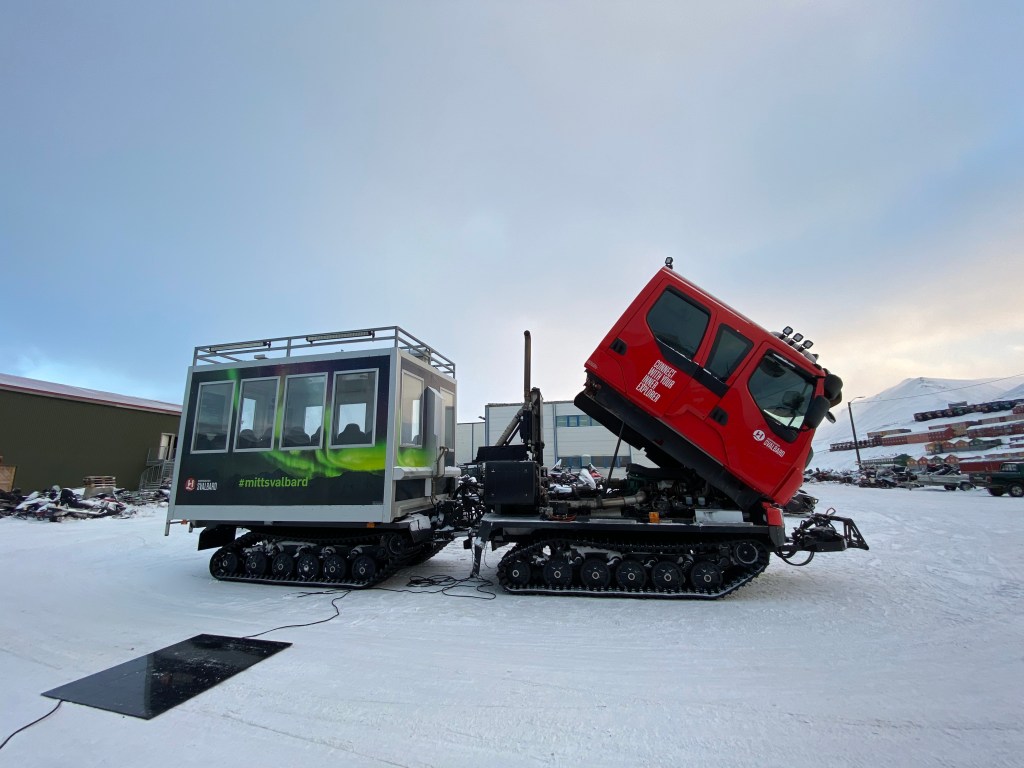
The morning hues are always mesmerizing, and are also known for its “blue hour”. It is incredible to see the natural phenomenon of how twilight turns blue in the wee hours of the morning (around 8:30 am), which gradually turns purple, pink, peachy and orange by 5 pm. Still, there is plenty of daylight for going out in the arctic desert and winter recreational activities.
During the night time, you can either go for expedition tour with Snowmobile or Northern lights hunting in Snowcat or a night out at The Huset.
During the five days of my stay in Svalbard, I have mostly done the expeditions in the daytime, to avoid the risk of being attacked by Polar Bear in the dark hours. I opted to spend the first night of my arrival at the lounge along with my friends from the Hotel. It was total fun meeting people from the UNIS on the Karaoke night. The atmosphere was high octane. After the Karaoke night, half past four, we went for a stroll in the dark arctic valley to hunt the Northern Lights. The attempt of hunting was unsuccessful.
Check the next blog to find my story of the next morning and the Arctic Expeditions – https://voyagegram.travel.blog/?p=371
 Bon Voyage